Emergency Plumber Cost: What a 24/7 Call Really Runs
6 min read
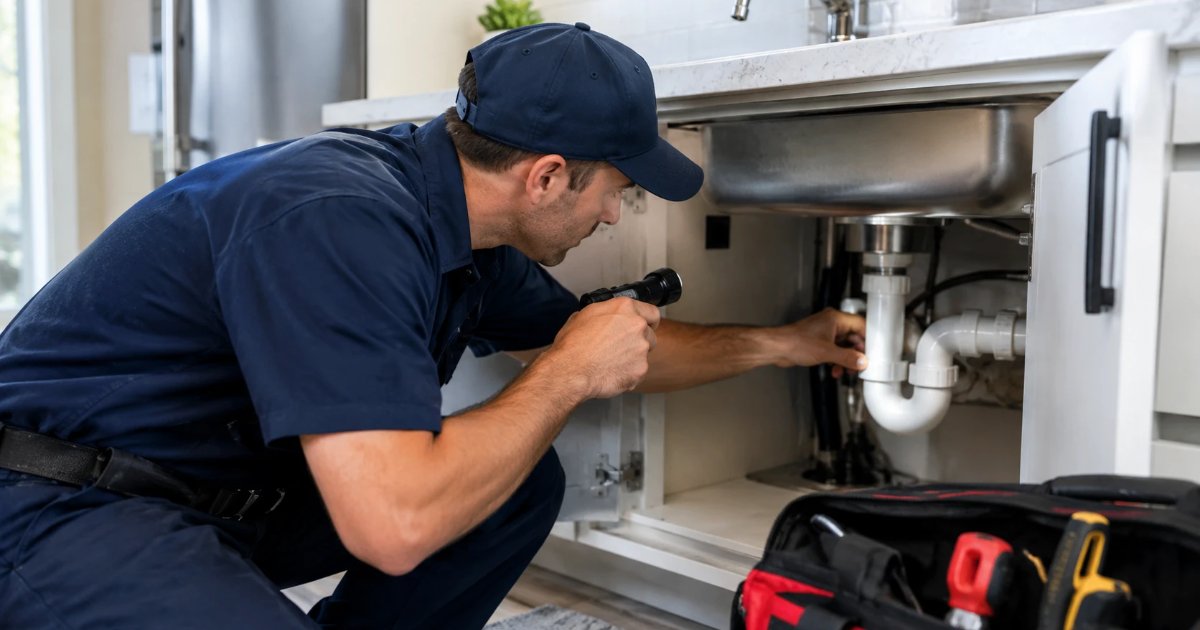
A plumbing emergency has a way of happening at the worst possible hour. Water is spreading, you need someone now, and the clock is working against your wallet. Before you call the first number you find, it helps to know what an after-hours visit actually costs, which problems are true emergencies, and how to tell an honest plumber from one cashing in on your panic. This guide covers all of it in plain terms.
What an emergency plumbing call actually means
An emergency call is any visit outside normal business hours, or one where the plumber drops everything to get to you fast. You are paying for two things: the speed, and the timing. A burst pipe at 2 a.m. on a holiday costs more than the same repair booked for Tuesday morning, because the plumber charges a premium for nights, weekends, and holidays. The repair itself may be simple. The surcharge for doing it right now is where the bill grows.
The most common plumbing emergencies
A handful of problems account for most after-hours calls:
- Burst or leaking pipe. The classic emergency. Water is actively escaping and every minute adds to the damage. Shutting off the water buys you time while you wait.
- Sewage backup. Wastewater coming up through drains or toilets is both a health hazard and a true emergency. Stop using water in the house until it is cleared.
- No water at all. If nothing comes out of any tap, the problem is usually at the main line or the municipal supply, and it needs a fast diagnosis.
- Overflowing or clogged toilet. A single blocked toilet is rarely a 2 a.m. emergency. One that keeps overflowing, or every drain backing up at once, points to a main-line clog that is.
- Water heater failure or leak. A tank leaking water is an emergency because it can flood and because a gas unit adds a safety concern. No hot water alone usually is not.
- Sump pump failure during a storm. If the pump quits while water is rising, a flooded basement is minutes away.
How much does an emergency plumber cost?
Pricing depends on the job, your location, and how late the call is. Many emergency visits land in the few-hundred-dollar range once the call-out fee and an hour or two of labor are added up, with bigger jobs climbing from there. These approximate national ranges set better expectations:
| Service | Typical range |
|---|---|
| Emergency call-out / trip fee | $100 to $450 |
| Emergency hourly labor | $100 to $300 / hr |
| Clear a clogged drain | $150 to $500 |
| Clear a main sewer line | $200 to $800 |
| Burst or leaking pipe repair | $500 to $2,000 |
| Overflowing toilet repair | $100 to $350 |
| Water heater replacement | $1,000 to $2,500 |
| Sump pump replacement | $600 to $2,500 |
What moves the price
- The hour. Nights, weekends, and holidays carry the steepest premiums. The same job in business hours can cost far less.
- Severity and access. An exposed pipe under a sink is a quick fix. One behind a wall, under a slab, or underground means demolition and a much bigger bill.
- Water damage. If the leak soaked drywall, flooring, or a ceiling, the plumbing repair is only part of the total cost.
- Parts. A water heater, pump, or specialty fixture adds materials on top of labor.
- Ask whether the call-out fee is credited toward the repair if you approve the work. Many companies apply it.
Is it really an emergency? Call now vs. wait
The fastest way to save money is to know what can wait until morning and skip the after-hours rate.
Call right now if: a pipe is actively flooding, sewage is backing up, you have no water in the whole house, a water heater is leaking, or a gas smell is present. Shut off the water (or gas) first, then call.
It can usually wait for business hours if: one drain or toilet is slow, a single faucet drips, hot water is out but nothing is leaking, or a minor leak is fully contained by a bucket and a shut valve. Booking these in normal hours avoids the premium entirely.
When in doubt, shutting off the water supply turns most emergencies into problems that can wait until morning.
What to do before the plumber arrives
A few minutes of damage control can save you far more than the repair itself.
- Shut off the water. For a single fixture, use its local valve. For a burst pipe or anything major, close the home's main shut-off valve. Know where it is before you need it.
- Kill the power if water is near outlets or the electrical panel. Safety first.
- If you smell gas, or a gas water heater is leaking, shut off the gas and ventilate.
- Clear the area and soak up standing water to limit damage to floors and walls.
- Take photos before you clean up. If you file an insurance claim later, that record matters.
How to hire an emergency plumber you can trust
Emergencies are exactly when overcharging is easiest, because you are stressed and in a hurry. Protect yourself:
- Ask for the call-out fee and hourly rate up front, in writing or over the phone, before they drive out.
- Confirm they are licensed and insured. Plumbing is licensed in most states. Ask for the number and verify it.
- Get the diagnosis explained. A trustworthy plumber shows you the problem and the fix. Be wary of anyone pushing a huge job before diagnosing.
- Insist on an itemized quote. Parts and labor separate, not a vague lump sum.
- Check recent reviews for comments about honest pricing and whether the final bill matched the quote, not just the star rating.
How to avoid the next emergency
Most plumbing emergencies give warning signs first. Know where your main shut-off valve is and that it turns. Fix slow drains and small leaks before they become big ones. Insulate exposed pipes before winter so they do not freeze and burst. Flush your water heater once a year and replace it before it fails if it is past 10 to 15 years old. And never pour grease down a drain. A little upkeep is almost always cheaper than a 2 a.m. call.
Frequently asked questions
- How much does an emergency plumber cost after hours?
- Most emergency visits run a few hundred dollars once the call-out fee and labor are combined, and many jobs fall in the $150 to $500 range before major parts. Nights, weekends, and holidays cost the most.
- Is a clogged toilet a plumbing emergency?
- A single clogged toilet usually is not, and can wait for business hours to save on the premium. But a toilet that keeps overflowing, or backs up along with other drains, points to a main-line clog that needs prompt attention.
- What should I do while I wait for the plumber?
- Shut off the water (the local valve for one fixture, the main valve for anything major), cut power near standing water, soak up what you can, and take photos in case you file an insurance claim.
- How can I avoid paying emergency rates?
- Shut off the water to stop the damage, then decide if it can safely wait until morning. Contained leaks and single slow drains can usually be booked in normal hours, which skips the after-hours surcharge entirely.